Find the reason to care.
A rare event, a changing river or a possible black hole each asks for a different public invitation. We build the story around the real science.
Citizen science needs people, not just software. The invitation, the scientific task and the app must work together. We turn distinctive research methods into simple experiences, give people feedback worth returning for, and connect their contributions to data researchers can use.
You do not just buy an app. You get a creative route from first curiosity to useful contributions: interface, feedback, science communication, outreach and long-term care.
A rare astronomical event, an air-quality campaign and a night-sky sensor each needed a different reason to join and a different way to take part.
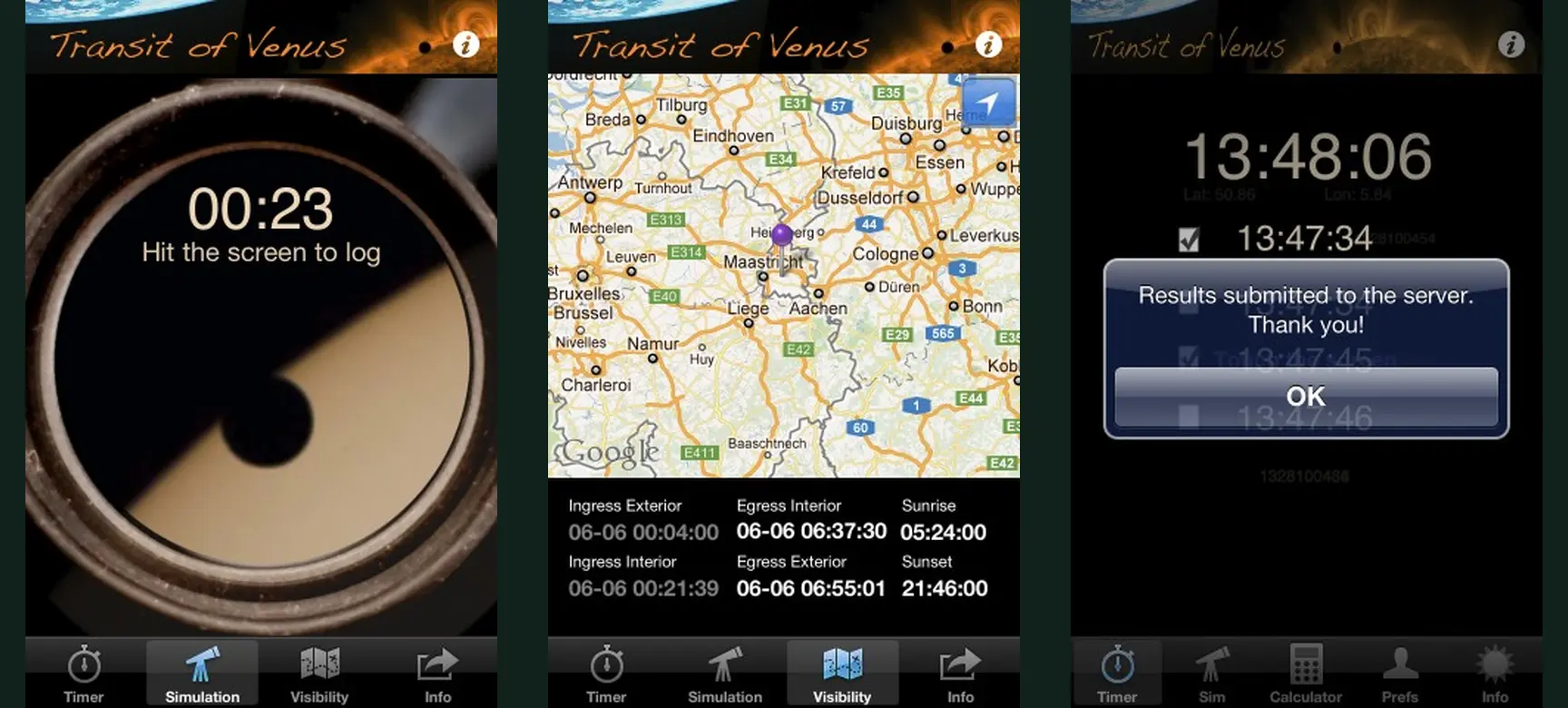
The app let people practise an astronomical timing method before joining a worldwide experiment.
Explore the experiment →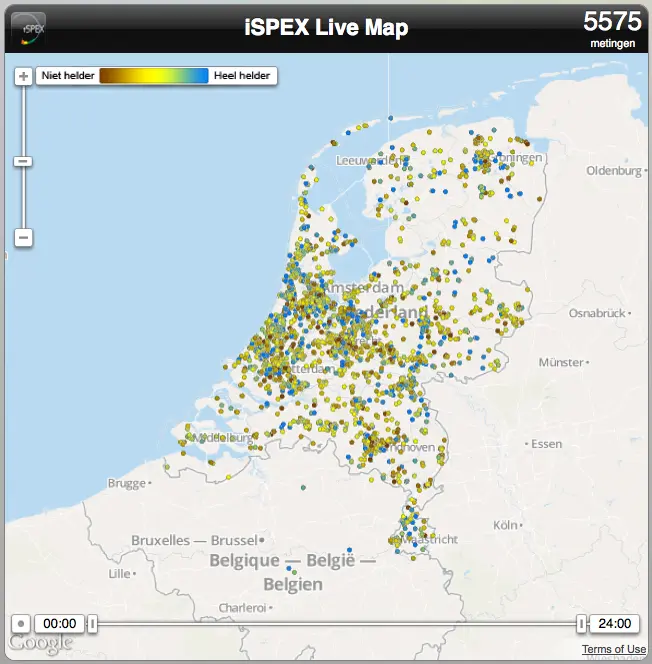
A phone, an optical attachment and a public campaign made atmospheric measurements part of everyday life.
Explore the campaign →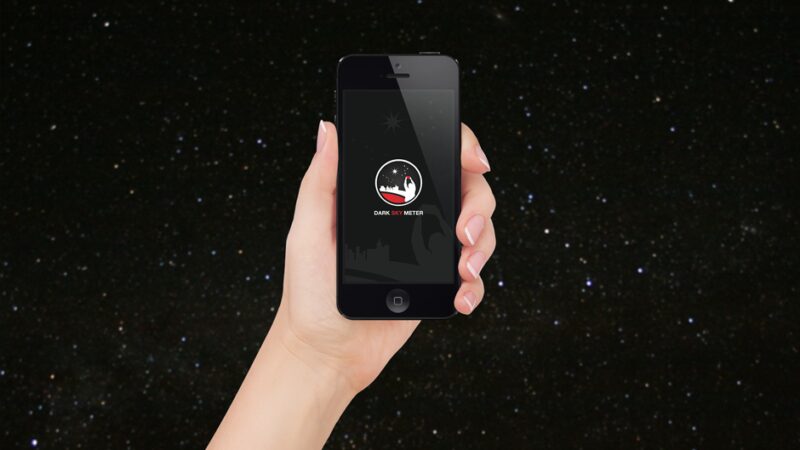
Phone-camera sensing turned curiosity about the night sky into a way to observe light pollution.
Explore the app suite →Each starts with a scientific question and finds an inviting way for people to contribute.
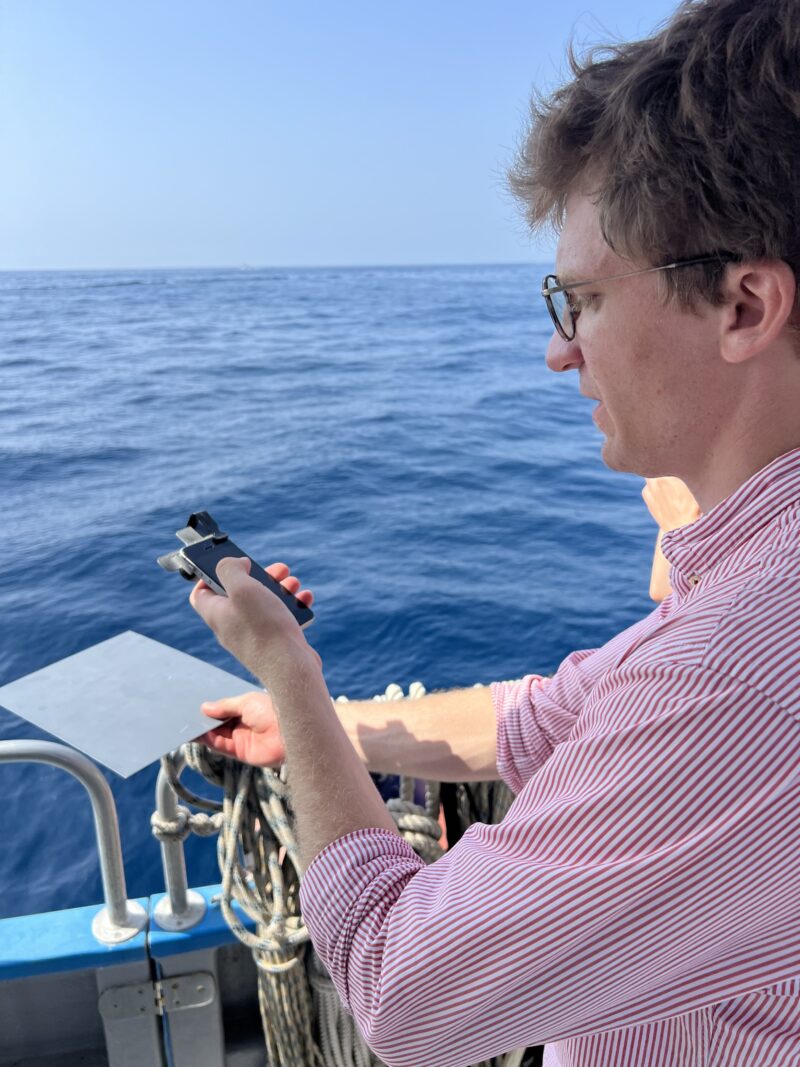
iSPEX2 is currently a professional research sensor—not a citizen-science app or public project. Plymouth Marine Laboratory successfully derived above-water remote-sensing reflectance (Rrs) with it during professional campaigns. The open programme benchmarks the phone-based workflow alongside established ocean-colour reference radiometry.
Evidence boundary: the comparison concerns the tested above-water Rrs workflow and campaign matchups. The systems differ in automation, calibration traceability, spectral range and deployment model.
Citizen science is not limited to academia. We work with any organisation that wants people involved in real science—including research teams, public agencies, policymakers, NGOs, foundations and community organisations.
Serious science underneath. No rocket science for the user. We look for the creative hook in each method, make the task inviting without compromising it, and give people a reason to contribute again.
A rare event, a changing river or a possible black hole each asks for a different public invitation. We build the story around the real science.
We turn timing, measurement or classification into an interface people can learn quickly while preserving what makes the contribution valid.
Guidance, tailored feedback and visible results help participants understand their own contribution—not just receive a generic thank-you.
Launch planning, outreach, communication, participant support and community care are part of the service, not an afterthought.
Transit of Venus let people rehearse a rare astronomical event. iSPEX1 joined a phone to an optical instrument and a national campaign. Dark Sky Meter made a camera a light-pollution sensor. Black Hole Finder brings public classification into live astronomy. Each needed its own interface, feedback and launch story.
We cannot promise a participant count. We bring almost fifteen years of creativity, public-launch experience and honest judgment to build a credible route to participation. We have also declined technically feasible apps when there was no credible route to momentum.
Pocket Science can deliver the whole citizen-science environment: app, website, science communication, app-store releases, backend, live dashboards, data extracts, secure infrastructure, outreach and long-term support. Every part can be tailored to the method and audience.
Mobile, web or both. We translate the method into an accessible participant experience, including unusual interactions, multilingual delivery, offline use and connections to existing research systems.
Explore app developmentAdd high-performance real-time dashboards, administration, maps, validated extracts, APIs and reporting tailored to the organisation—plus sensor integration, data processing or machine learning where needed.
Explore data and infrastructureApp, website, science communication, app stores, backend, dashboards, reporting, infrastructure, outreach and support—delivered and operated as one coherent citizen science service.
Explore the complete observatoryTailored does not mean oversized or rebuilt entirely from zero. Pocket Science reuses proven foundations where they fit and scopes the first release around the participant task and research requirements. Sensors, AI and the complete observatory are optional. See how focused scope works.
Successful citizen science connects an inviting public experience, an active community and dependable scientific data in one living service.
We shape the invitation, onboarding, feedback and communication around a meaningful scientific task, and stay involved with the communities our work brings together.
Behind the simple public interface, customers get high-performance real-time dashboards, validation, extracts, APIs and tailor-made reports built around the decisions they need to make.
We run our own managed infrastructure rather than placing project data in an external public cloud. Data minimisation, access control, backups, monitoring and GDPR responsibilities are part of the architecture.
We can handle participant questions, app-store releases, maintenance, hosting and integrations for years. Before a project ends, we agree how its app, data and community can continue or be transferred responsibly.
Open science is part of the work. We support open methods and FAIR, reusable data wherever consent, rights and the research protocol allow. Pocket Science provided the MOBIS citizen-science service in early EOSC Marketplace work and now contributes invited expert input to the planned EOSC Citizen Science Node. See the programme record and current role.
Comparing partners for a university or public tender? Assess the participant experience, research data, GDPR responsibilities, security, support, long-term maintenance and handover together. We can own one defined component or the complete service.
Science is always involved, but the format differs: citizen science, crowd science, science-backed public apps, research platforms and smartphone instruments all belong in the portfolio.
A smartphone instrument for researchers—not currently a citizen-science app. PML successfully derived above-water Rrs; the open campaign record includes professional reference data and So-Rad matchups.
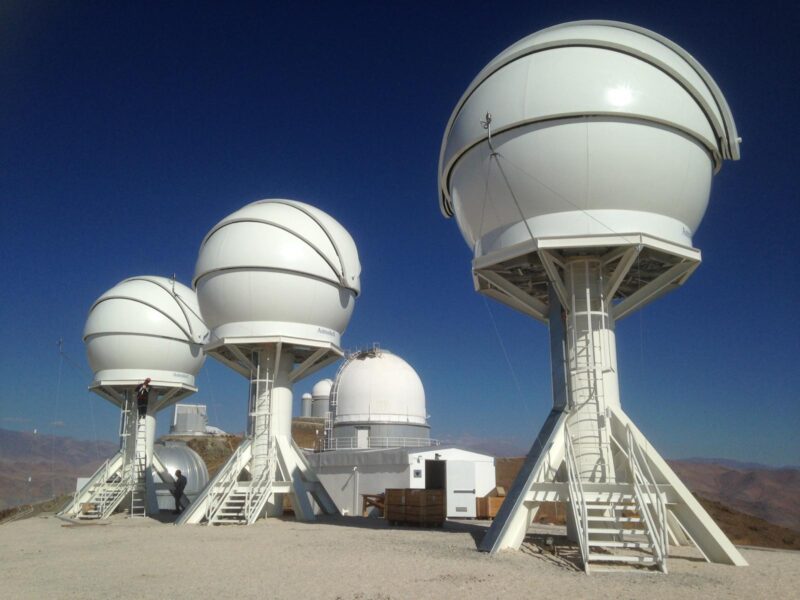
Public classification, researcher workflows and machine-learning support around live astronomical candidates, with national press attention and an active community.
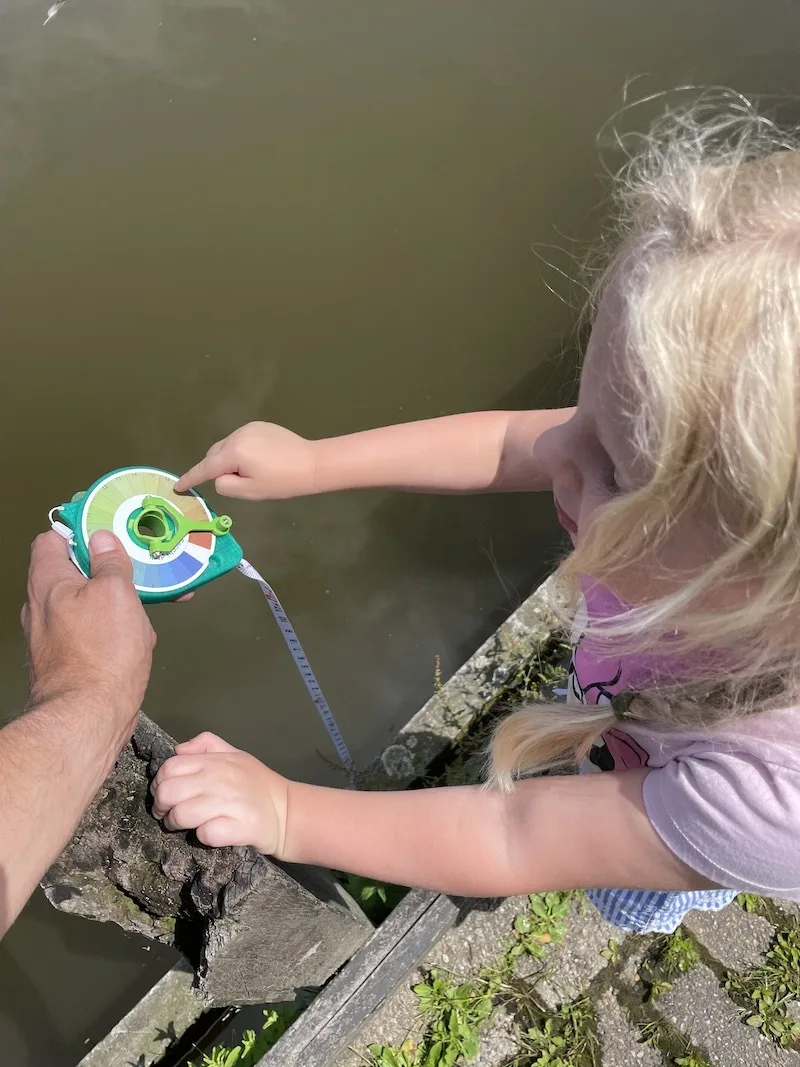
A guided mobile workflow for observing water colour and clarity, developed through Horizon 2020 MONOCLE and supported in continuing field use.
Invented and fully owned by Pocket Science, Dark Sky Meter remains actively supported; Pro serves amateur astronomers and researchers, while Loss of the Night extends the suite to Android users.
iSPEX2 is a professional smartphone research sensor for above-water Rrs. Mini Secchi is a published citizen-science method for water colour and clarity. They share smartphone technology and scientific discipline, but they are not the same kind of project.
A published participatory method used across international research programmes. A new contract with the University of Exeter and the US SOCON collaboration is rebuilding and improving the software.
Mini Secchi research and publicationsA smartphone spectropolarimeter for field radiometry research. PML derived Rrs successfully; reference data, protocols and processing are openly preserved.
iSPEX2 research and validationCompare iSPEX2, Mini Secchi and other sensor-connected routes by measurement property, evidence, readiness and limits.
Compare water quality sensorsWe love citizen science. Enabling people to do real science—and helping make the world a little better—is our goal.
Pocket Science grew from an early belief that the smartphone in everyone’s pocket could give ordinary people real scientific power. In 2013, when citizen science was still unfamiliar to many, Norbert Schmidt gave a TEDxEutropolis talk about that vision.
From Transit of Venus to iSPEX1, Dark Sky Meter and Black Hole Finder, the work has never been about repeating one app template. Each project found its own way to make the science understandable and the act of contributing worthwhile. Interface design, feedback, communication, outreach and continuing care are as important to us as the software.
Today Norbert, Joep and Demelza share the same DNA: curiosity, love for the subject, respect for end users and the determination to make useful science last. Together we build apps and instruments, complete observatories, worldwide relationships and communities that continue beyond launch.
Projects and grants end. Valuable science should not have to. Sustaining the apps, instruments, communities and knowledge that deserve a future is part of the mission—and it is why we design outreach, support, self-hosting and long-term operation alongside the technology.
Bring us in for one citizen science app, a complete observatory, or a relationship that outlives the project.
We can scope a clear app directly. Where the method, interaction or infrastructure is still taking shape, we begin with a bounded discovery phase and turn it into a responsible scope.
What should participants observe, measure, report or classify—and why does it matter?
Who will participate, what must they do, and what makes the resulting data useful?
We define the app, optional components, integrations, ownership, support and route beyond funding.
We deliver with the research team, validate the workflow and stay for the agreed lifetime of the service.
Share the research goal, expected participants, required platforms, languages, data needs and desired lifetime. We will reply with the questions needed to assess the project and define a responsible scope.
Email: web@pocket.science
Phone: +31 45 20 31 008